
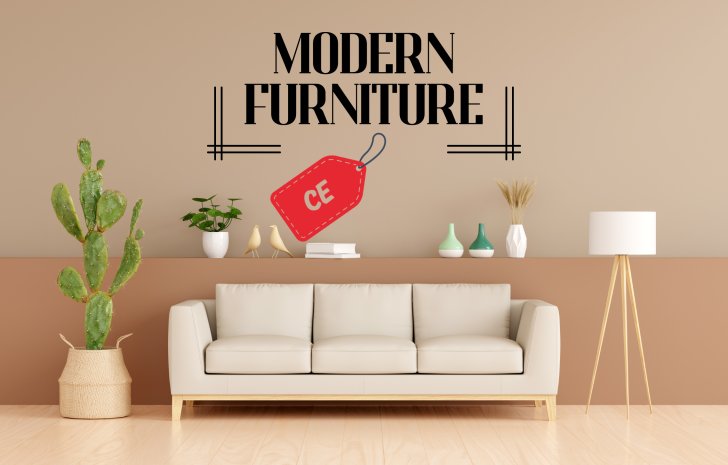
When it comes to designing a comfortable and inviting living room, the sofa plays the most important role. It’s often the first piece of furniture people notice when they walk into the room, and it’s also where families spend most of their time—whether that’s relaxing after a long day, watching movies, chatting with guests, or simply enjoying a quiet moment.
Because a sofa is such a central piece of furniture, choosing the right one requires more thought than simply picking a design that looks attractive. The perfect sofa should fit your space, match your style, provide comfort, and last for years. With so many options available today, the process can feel overwhelming. However, by focusing on a few key factors, you can confidently select a sofa that suits your living room perfectly.
In this guide, we’ll walk through the most important things to consider before buying a sofa.
Before you even begin browsing for sofas online or visiting furniture stores, take time to measure your living room. One of the most common mistakes people make is purchasing a sofa that is either too large or too small for their space.
Measure the length and width of your living room and note how much space is available for seating. You should also measure doorways, staircases, and hallways to ensure the sofa can actually be delivered into your home without difficulty.
A helpful trick is to use masking tape on the floor to mark the dimensions of the sofa you’re considering. This allows you to visualize how much room it will occupy and whether it will leave enough space for movement around coffee tables or other furniture.
If your living room is small, compact sofas, loveseats, or modular designs can help maximize seating without overcrowding the space.
Not every household uses their sofa in the same way, which is why it's important to consider your lifestyle before making a decision.
For example, if your sofa will mainly be used for relaxing and watching television, comfort should be your top priority. A deeper seat with soft cushions may be ideal for lounging. On the other hand, if you frequently host guests, you might prefer a slightly firmer sofa that encourages upright seating.
Families with children or pets should also consider durability. Sofas in these homes need to withstand spills, jumping, and everyday wear. In such cases, stain-resistant fabrics or durable materials are a smart choice.
If you often have overnight guests, a sofa bed could be a practical option that provides both seating and sleeping space.
Your sofa should complement the overall style of your living room. While comfort is important, the design of the sofa also contributes significantly to the room’s appearance.
Modern sofas usually feature clean lines, simple shapes, and minimal decoration. They work well in contemporary homes and apartments.
Traditional sofas tend to have more decorative details such as rolled arms, tufted backs, or carved wooden legs. These designs add elegance and suit classic interiors.
Sectional sofas are popular for larger living rooms because they provide plenty of seating and can be arranged in different layouts. They are especially great for families or people who enjoy entertaining.
There are also timeless styles like the Chesterfield sofa, known for its deep button tufting and luxurious look, which adds sophistication to any space.
When selecting a style, try to choose something that blends naturally with your existing furniture and décor.
The material covering your sofa affects both its appearance and durability. Different fabrics offer different benefits, so it’s important to choose one that suits your needs.
Fabric sofas are among the most popular options because they are comfortable and available in many colors and textures. They are often more affordable and work well in casual living rooms.
Leather sofas, on the other hand, offer a more premium and elegant look. They are durable, easy to clean, and tend to age beautifully over time. However, they are usually more expensive than fabric sofas.
Velvet sofas are stylish and luxurious, making them perfect for statement pieces, though they may require more careful maintenance.
Microfiber is another practical option, especially for families, because it resists stains and is easy to clean.
When choosing upholstery, think about how much maintenance you’re willing to handle and how heavily the sofa will be used.
A sofa may look stunning in a showroom or online photo, but comfort should never be overlooked. After all, this is a piece of furniture you’ll use every day.
Seat depth is one of the key factors that determines comfort. Deeper seats are great for lounging and stretching out, while shallower seats provide more structured seating.
Cushion filling also matters. High-density foam cushions offer strong support and maintain their shape for a long time. Feather-filled cushions feel softer and more luxurious but may require frequent fluffing.
Back support is equally important. A good sofa should support your back comfortably without forcing you into an awkward posture.
Whenever possible, it’s best to sit on a sofa before buying it to see how it actually feels.
The frame is the structure that holds the entire sofa together, and its quality determines how long the furniture will last.
High-quality sofas typically use solid hardwood frames made from materials like oak, maple, or ash. Kiln-dried wood is particularly strong and less likely to warp over time.
Cheaper sofas may use particleboard or plastic components, which are not as durable.
You should also pay attention to how the frame is assembled. Strong sofas usually have joints that are glued, screwed, and reinforced with dowels rather than simply stapled together.
Investing in a well-built frame ensures your sofa remains sturdy for many years.
The color of your sofa can influence the overall mood of your living room.
Neutral colors such as grey, beige, cream, and taupe are popular choices because they blend easily with different décor styles. They also allow you to change the look of your room simply by updating cushions or accessories.
If you want your sofa to stand out, bold colors like navy blue, emerald green, or mustard yellow can create a striking focal point.
Patterned fabrics are another option and can help hide stains or wear, which is useful in busy households.
When selecting a color, consider the lighting in your room and how the sofa will coordinate with your walls, rugs, and other furniture.
Different sofa materials require different levels of care. Before making a purchase, it’s wise to understand how much maintenance the sofa will need.
Some sofas come with removable cushion covers that can be washed, which is extremely convenient for families.
Leather sofas may need occasional conditioning to keep the material soft and prevent cracks.
Fabric sofas should be vacuumed regularly to remove dust and debris.
Choosing a sofa that fits your lifestyle will make it much easier to keep it looking clean and fresh.
Sofas are available at many price points, from affordable options to high-end designer pieces. Setting a realistic budget helps narrow down your choices and prevents overspending.
While it may be tempting to choose the cheapest option, quality should not be overlooked. A well-made sofa may cost more initially but will last much longer, making it a better investment in the long run.
Looking for discounts and promotions can also help you save money on a high-quality sofa.
Many furniture retailers offer special discounts and promotional deals online. Taking advantage of these offers can significantly reduce the cost of your purchase.
Coupon websites make it easier to find verified discount codes, seasonal sales, and exclusive promotions from popular furniture brands. This allows shoppers to enjoy premium furniture while staying within their budget.
Platforms like Coupons EFRA help consumers discover the best deals available, making it easier to bring home stylish and comfortable furniture at a better price.
Choosing the perfect sofa is about finding the right balance between comfort, style, durability, and budget. By measuring your space, understanding your needs, selecting the right materials, and paying attention to quality construction, you can make a choice that enhances your living room for years to come.
A well-chosen sofa becomes more than just furniture—it becomes the place where conversations happen, memories are made, and relaxation begins. Taking the time to choose wisely ensures that your living room remains both stylish and comfortable for the long term.